
Events

Moments in Motion: The Art and Influence of Modern Events

Introduction: More Than a Gathering

Events are the curated chapters of human life—intersections of purpose, celebration, culture, and connection. From the grandeur of international summits to the intimacy of a backyard wedding, every event carries with it the potential to shape memories, build communities, and reflect identity. While the definition of an event may seem simple—a scheduled occasion for people to come together—its true power lies in its ability to transform the ordinary into the extraordinary. In a world driven by digital interaction, live events remain sacred spaces of presence, where people meet not just to witness but to participate in moments that matter.

Understanding Events: Purpose, Emotion, and Expression

At their core, events are experiences with intention. They are designed with a goal, fueled by emotion, and brought to life through planning and creativity. Whether personal or professional, events serve as milestones that reflect the values and aspirations of those who create them.

  • Personal Events: Weddings, anniversaries, birthdays, and graduations celebrate life’s key moments with those closest to us.

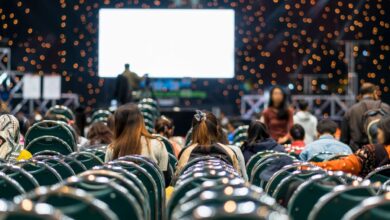
  • Professional Events: Conferences, trade shows, and corporate retreats drive business growth, innovation, and collaboration.

  • Cultural Events: Festivals, parades, and public ceremonies preserve heritage, promote artistry, and unite communities.

  • Philanthropic Events: Fundraisers, awareness walks, and charity galas are vehicles for positive impact and collective action.

The diversity of event types reveals a universal truth: humans crave connection, and events are how we give that desire form.

Planning with Precision: The Behind-the-Scenes Mastery

Great events may appear effortless, but behind every seamless experience lies a careful orchestration of logistics, strategy, and design. The event planning process is part science, part intuition—requiring meticulous attention to detail as well as the ability to predict emotional and social responses.

  • Establishing a Vision: Clarity of purpose is the cornerstone of event design. Whether the goal is to inform, celebrate, persuade, or entertain, every decision flows from that intention.

  • Budgeting and Timeline Management: A well-structured budget paired with a detailed timeline ensures efficiency and allows room for creativity within limits.

  • Venue and Vendor Coordination: Choosing the right location and partners—caterers, decorators, entertainers, and technicians—creates a strong foundation for the experience.

  • Guest Experience Focus: Every element, from the invitation to the farewell gift, should be approached from the guest’s perspective to ensure a welcoming, engaging, and memorable event.

The hallmark of elite event planning lies not only in execution but in anticipation—foreseeing needs and crafting a journey that unfolds smoothly and meaningfully.

Design and Atmosphere: Crafting the Experience

An event is not merely something that happens—it’s something guests feel. This emotional resonance is largely shaped by the design and atmosphere, which should be as intentional as the purpose itself.

  • Aesthetic Identity: Themes, color palettes, and styling choices communicate mood and brand. Whether elegant minimalism or bold extravagance, cohesion matters.

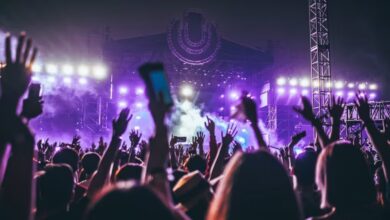
  • Lighting and Sound: These sensory elements create rhythm and immersion. Soft lighting for dinners, dynamic lighting for concerts—each enhances engagement.

  • Spatial Flow: Thoughtful layouts encourage movement and conversation, creating areas for activity, rest, and interaction without disruption.

  • Interactive Touchpoints: Photo booths, digital walls, tasting stations, or live art installations invite participation and create unique, shareable moments.

Design should elevate the experience without overwhelming it. When space and atmosphere align with the event’s story, guests don’t just attend—they immerse.

Storytelling Through Structure

The most memorable events tell a story. Whether it’s the romantic narrative of a wedding or the compelling brand journey of a product launch, storytelling gives structure and emotion to the experience.

  • Opening Moments: First impressions matter. The arrival experience sets expectations and establishes tone.

  • High Points: Speeches, performances, or product reveals are emotional peaks that should be timed and framed with intention.

  • Subtle Transitions: Music cues, lighting changes, and movement between spaces help transition guests smoothly through different phases of the event.

  • Final Impressions: How an event ends—through a thank-you toast, parting gift, or closing act—often becomes what people remember most.

Narrative structure turns an agenda into an experience, anchoring emotion and engagement with thoughtful sequencing.

The Digital Influence: Technology in Events

As technology advances, events have evolved from purely physical experiences to hybrid, tech-enhanced occasions. Digital tools enhance reach, participation, and personalization.

  • Virtual and Hybrid Platforms: These formats allow global audiences to engage in real time, making events more inclusive and scalable.

  • Event Apps: Mobile apps manage registration, schedules, maps, and networking, simplifying logistics and communication.

  • Interactive Tech: Augmented reality booths, live polls, and smart wristbands deepen engagement and create novel interactions.

  • Data and Analytics: Real-time tracking of engagement and feedback helps planners refine strategies and prove event ROI.

When integrated seamlessly, technology elevates the guest experience while preserving the event’s emotional core.

Sustainability and Responsibility: Events with Purpose

The future of events is not only immersive and innovative but also responsible. Planners and hosts are increasingly considering their environmental and social impact.

  • Eco-Friendly Practices: Digital invitations, reusable décor, compostable materials, and waste-reduction strategies make events greener.

  • Local Sourcing: Supporting local vendors reduces carbon footprints and boosts community economies.

  • Accessibility and Inclusion: Ramps, sign language interpreters, sensory-friendly spaces, and diverse menus ensure events welcome everyone.

  • Ethical Partnerships: Collaborating with brands and vendors who share your values enhances credibility and impact.

Responsible events align action with values, offering substance as well as style.

Measuring Success: Beyond Applause

While applause and smiles are satisfying indicators, successful events go deeper. Post-event evaluation is essential for understanding impact and refining future strategies.

  • Attendee Feedback: Surveys, social media insights, and direct conversations reveal what resonated and what could improve.

  • Engagement Metrics: Participation rates, time spent at booths, app interactions, and media coverage offer tangible data.

  • Emotional Impact: Moments that moved people—laughter, tears, surprise—are signs of emotional engagement and storytelling success.

  • Follow-Up Strategy: Sharing post-event content, thank-you notes, and follow-up offers ensures relationships continue beyond the event itself.

True event success isn’t measured by attendance alone, but by the depth of connection and the longevity of its influence.

Conclusion: Celebrating the Human Experience

Events are where intention becomes expression. They are celebrations of humanity’s desire to gather, share, grow, and remember. In a single evening or a multi-day summit, an event can awaken emotions, ignite ideas, and inspire change.

Whether you are a planner, host, or guest, participating in an event is more than filling a space—it’s becoming part of a living narrative. When designed with purpose and delivered with care, an event transforms from a calendar entry into a meaningful, memorable experience. In the end, the true power of events lies not in what happens during them, but in what lingers afterward: a moment, a feeling, a connection that endures.

Related Articles

Back to top button