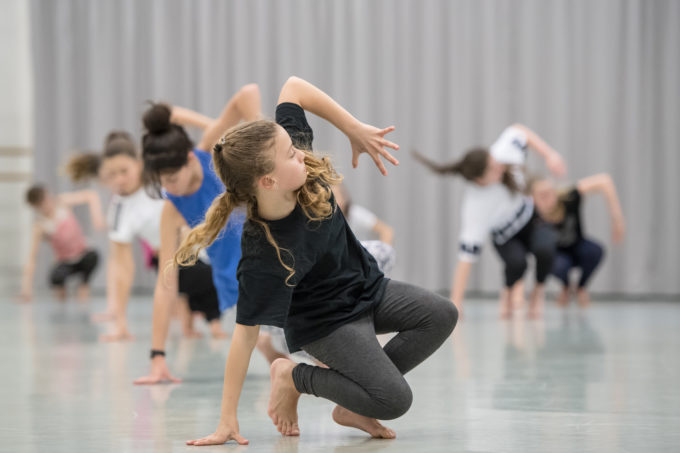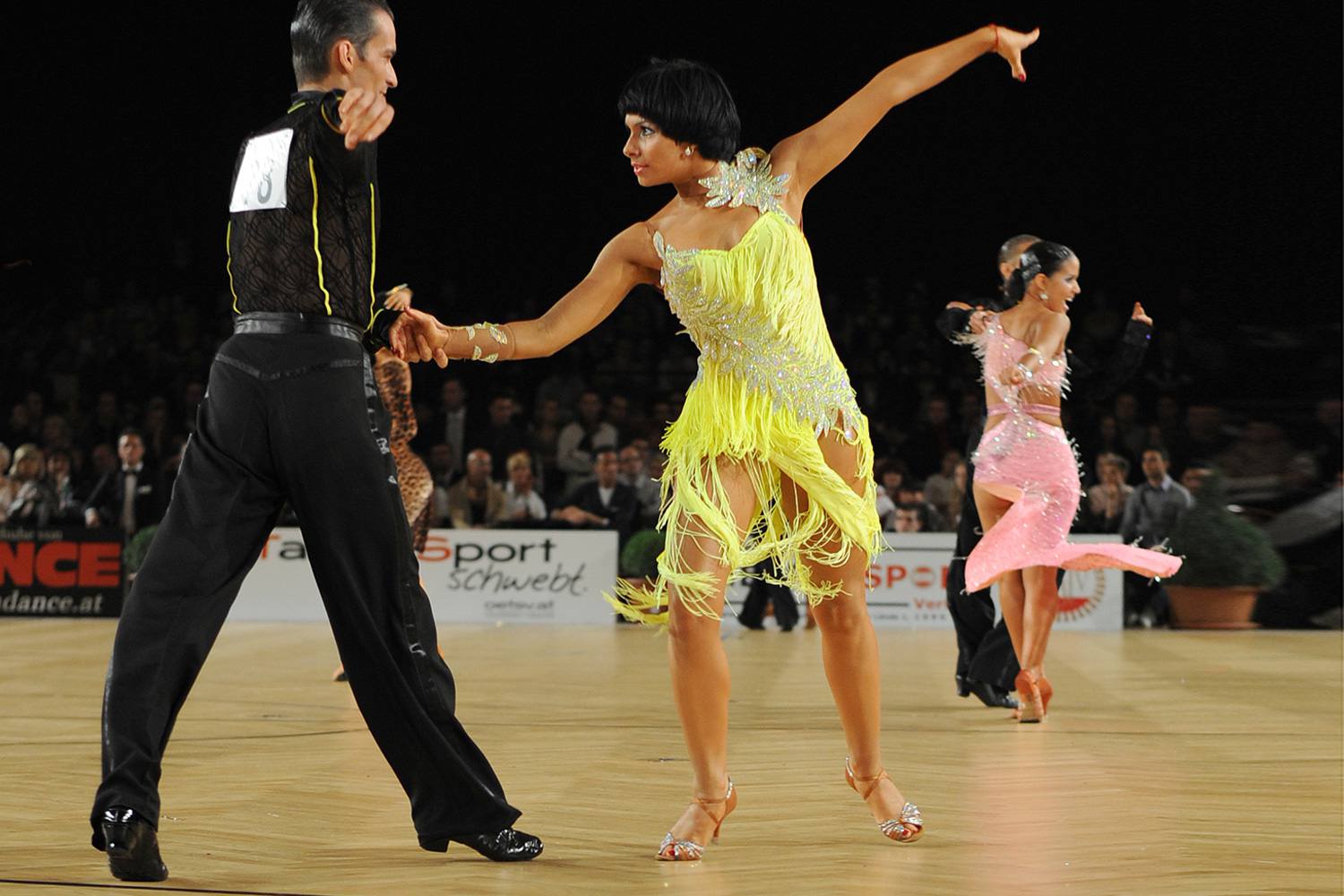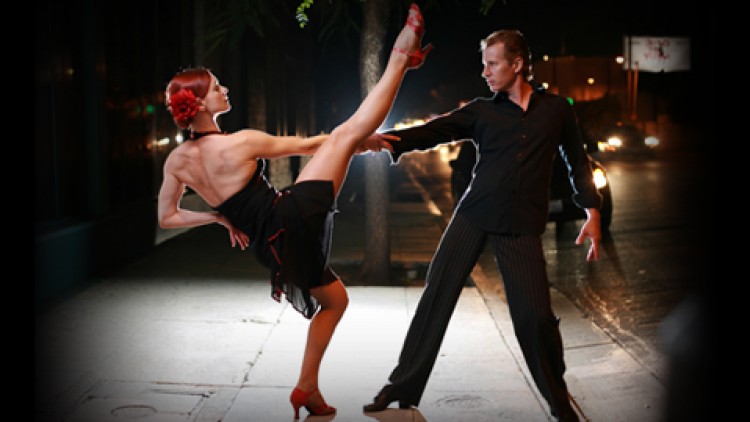

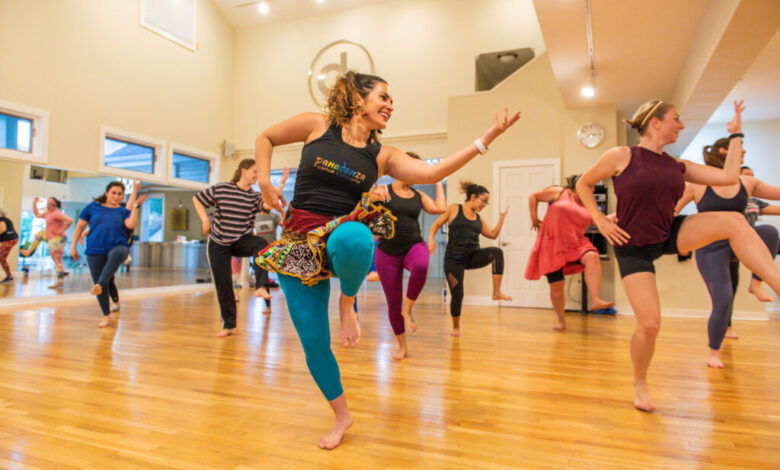
Dance-based fitness routines combine movement, music, and motivation to create an enjoyable way to stay active. Unlike traditional workouts that may feel repetitive, dance fitness transforms exercise into an engaging experience that supports both physical health and mental well-being.
What Are Dance-Based Fitness Routines?
Dance-based fitness routines are structured workouts that use dance movements to improve overall fitness. These routines often blend elements of cardio, strength training, and flexibility, making them a holistic form of exercise suitable for different fitness levels.
Common characteristics include:
-
Rhythmic movements synchronized with music
-
Repetitive steps for endurance and coordination
-
Full-body engagement without complex equipment
Physical Benefits of Dance-Based Fitness
Improves Cardiovascular Health
Dance routines elevate heart rate consistently, helping to:
-
Strengthen the heart and lungs
-
Improve blood circulation
-
Increase stamina and endurance
Regular participation can reduce the risk of heart-related conditions while enhancing overall energy levels.
Enhances Muscle Strength and Tone
Dance movements naturally engage multiple muscle groups. Over time, this leads to:
-
Improved muscle definition
-
Better joint stability
-
Increased functional strength for daily activities
Boosts Flexibility and Balance
Frequent stretching, turns, and directional changes help improve:
-
Joint mobility
-
Body balance and posture
-
Coordination and spatial awareness
This makes dance fitness especially beneficial for injury prevention.
Supports Healthy Weight Management
Dance-based workouts burn calories efficiently while feeling less strenuous. Consistent practice can:
-
Aid fat loss
-
Maintain a healthy metabolism
-
Encourage long-term exercise adherence
Psychological Benefits of Dance-Based Fitness
Reduces Stress and Anxiety
Music and movement stimulate the release of endorphins, helping to:
-
Lower stress levels
-
Improve mood
-
Promote relaxation after workouts
Dance acts as a natural emotional outlet.
Enhances Cognitive Function
Learning choreography challenges the brain, improving:
-
Memory and concentration
-
Reaction time
-
Mental agility
This mind-body connection keeps the brain actively engaged during exercise.
Builds Confidence and Self-Esteem
As individuals become more comfortable with movement, they often experience:
-
Increased body confidence
-
Improved self-image
-
A stronger sense of personal achievement
Progress in dance feels rewarding and empowering.
Encourages Social Connection
Group dance fitness classes foster:
-
Social interaction
-
Motivation through shared energy
-
A sense of belonging and accountability
These social benefits can significantly improve emotional well-being.
Why Dance Fitness Is Easier to Maintain
One of the biggest advantages of dance-based fitness routines is enjoyment. When workouts feel fun rather than forced, people are more likely to:
-
Stay consistent
-
Look forward to exercising
-
Build sustainable healthy habits
This enjoyment factor makes dance fitness ideal for long-term wellness.
Who Can Benefit From Dance-Based Fitness?
Dance fitness is highly adaptable and suitable for:
-
Beginners and experienced exercisers
-
Different age groups
-
Individuals seeking low-impact or high-energy workouts
Movements can be modified to match comfort and ability levels.
Conclusion
Dance-based fitness routines offer a powerful combination of physical conditioning and psychological uplift. By blending exercise with creativity and rhythm, they promote a healthier body, a calmer mind, and a more positive relationship with fitness. For those seeking a balanced and enjoyable workout, dance fitness is an effective and sustainable choice.
Frequently Asked Questions (FAQs)
1. Is dance-based fitness effective for weight loss?
Yes, consistent dance workouts can burn calories, boost metabolism, and support healthy weight management.
2. How often should I do dance fitness workouts?
Most people benefit from 3–5 sessions per week, depending on intensity and fitness goals.
3. Do I need dance experience to start?
No prior dance experience is required. Most routines are beginner-friendly and easy to follow.
4. Can dance-based fitness replace gym workouts?
It can replace or complement gym workouts, especially for cardiovascular fitness and flexibility.
5. Is dance fitness suitable for older adults?
Yes, low-impact dance routines are excellent for improving balance, mobility, and mental health in older adults.
6. Does dance fitness help with mental health conditions?
Dance fitness can reduce stress, improve mood, and support emotional well-being, though it should complement professional care when needed.
7. Can dance-based fitness be done at home?
Absolutely. Many routines can be performed at home with minimal space and no equipment.