
The Power of Events: Crafting Moments That Matter

Introduction: The Essence of an Event
In every culture and across all walks of life, events have stood as significant milestones that punctuate the human experience. They mark beginnings and endings, celebrate successes, foster connections, and inspire transformation. Whether personal or professional, intimate or grand, events are not just gatherings—they are orchestrated experiences that reflect intention, identity, and aspiration. The artistry of events lies in their ability to bring people together, to engage emotion, and to leave a lasting impression long after the chairs are stacked and the lights are dimmed.
Defining Events: More Than a Date on the Calendar
Events encompass a vast spectrum of occasions, each with its own rhythm, tone, and purpose. From weddings and anniversaries to conferences and product launches, every event is unique in its intention, structure, and audience. What unites them is their capacity to create shared moments of meaning.
-
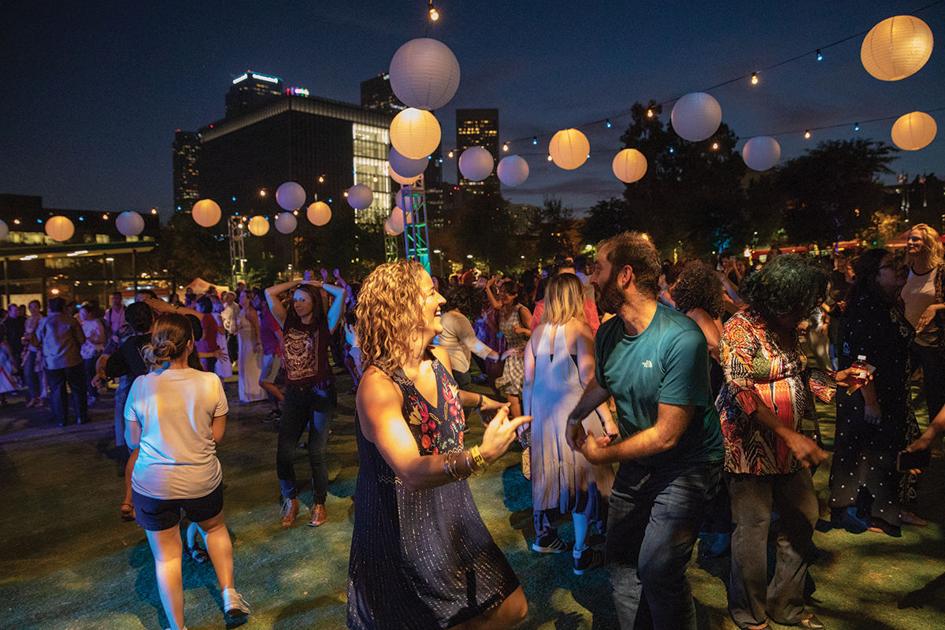
Social Events: Celebrations such as birthdays, reunions, and weddings are about joy, tradition, and togetherness.
-
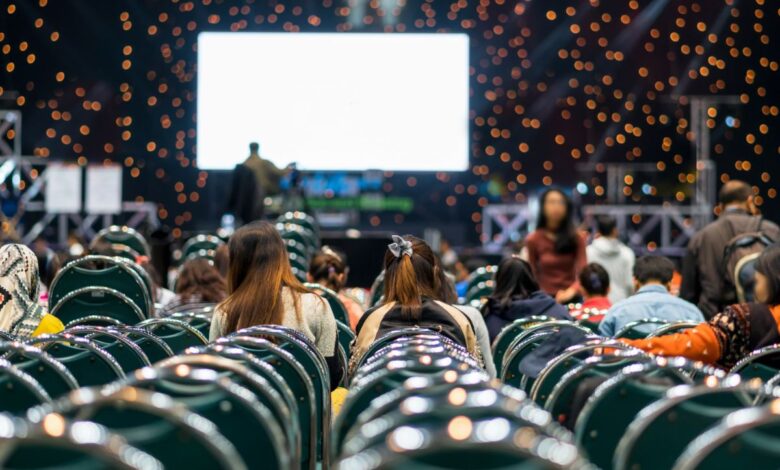
Corporate Events: These include seminars, brand activations, and business retreats that aim to inform, motivate, or promote.
-
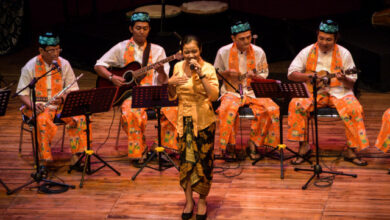
Cultural Events: Festivals, exhibitions, and performances serve to celebrate artistic expression and cultural heritage.
-
Charity Events: Galas, fundraisers, and awareness campaigns are designed to unite people around a cause and drive impact.
Regardless of the type, successful events are grounded in purpose. They are curated not just to fill a room, but to move the hearts and minds within it.
The Art of Planning: Where Vision Meets Detail
Behind every seamless event lies an intricate web of planning, coordination, and creativity. Event planning is both a science and an art. It requires logistical precision as well as the ability to anticipate human emotion and behavior.
-
Concept Development: The foundation of a great event is a clear concept that aligns with the host’s goals and audience expectations.
-
Budgeting and Scheduling: Efficient resource allocation and time management ensure smooth execution and avoid last-minute chaos.
-
Vendor Management: Coordinating caterers, decorators, entertainers, and technicians is critical to delivering a cohesive experience.
-
Guest Experience: From the invitation to the farewell gift, every touchpoint should reflect care, consistency, and elegance.
A well-planned event feels effortless to attendees, but its magic is the result of countless behind-the-scenes decisions guided by purpose and professionalism.
Design and Ambience: Setting the Stage for Memory
The visual and sensory elements of an event create its identity. Décor, lighting, layout, and even scent work together to shape the atmosphere and set the tone for the experience. A thoughtfully designed event environment communicates more than words ever could.
-
Theme and Aesthetics: Whether minimalist or lavish, the design should reflect the event’s message and audience.
-
Lighting and Sound: These elements dictate mood and energy. Warm lighting can evoke intimacy, while dramatic effects can energize a space.
-
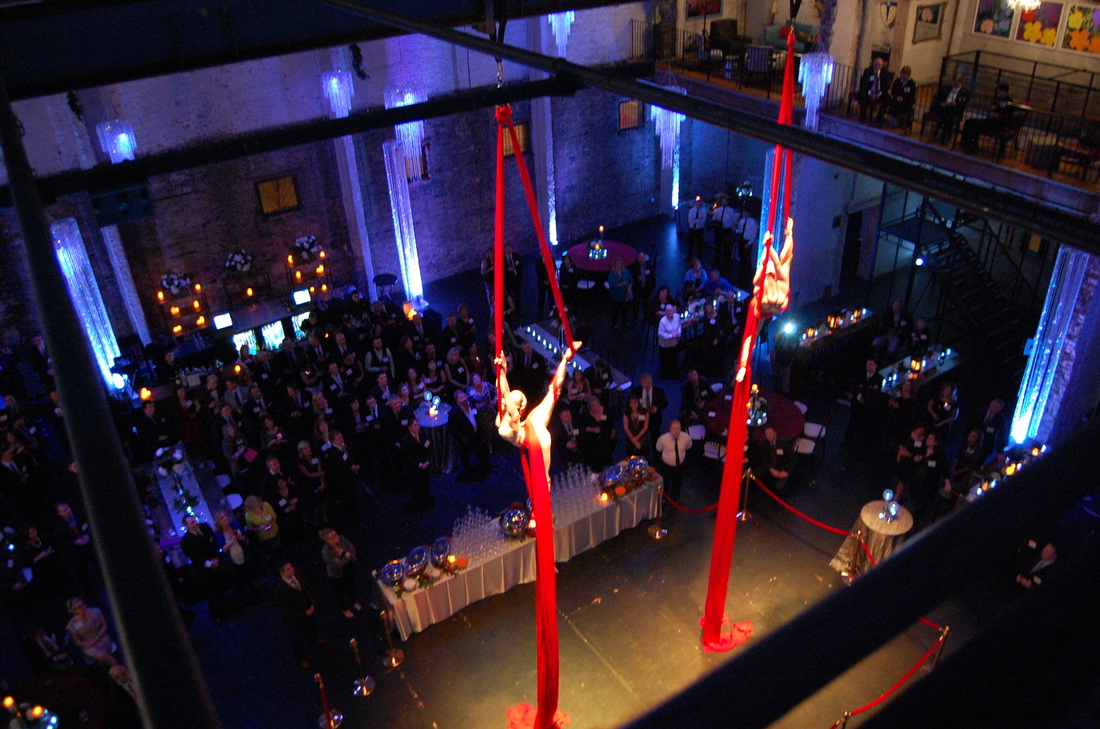
Interactive Features: Installations, digital displays, or live performers can create memorable touchpoints for guests.
Ambience isn’t just about beauty—it’s about creating an emotional landscape where moments are not only seen and heard but felt.
The Power of Storytelling in Events
What sets truly great events apart is their ability to tell a story. Storytelling infuses an event with depth, cohesion, and resonance. It offers guests more than just activities—it invites them into a journey.
-
Narrative Structure: Like a good story, an event should have a clear beginning, middle, and end, each with its own emotional beats.
-
Symbolism: Incorporating meaningful symbols or rituals can add a layer of significance and personal relevance.
-
Emotional Engagement: Speeches, music, and visual media are powerful tools to evoke emotion and connect with the audience on a deeper level.
When an event is guided by story, every element—from the menu to the music—becomes part of a meaningful whole.
Technology and Innovation: Shaping the Future of Events
Modern events increasingly rely on technology to enhance efficiency, engagement, and inclusivity. From virtual platforms to smart lighting, innovation is reshaping how we plan and experience events.
-
Virtual and Hybrid Formats: These allow for broader participation and flexibility, especially in the post-pandemic landscape.
-
Event Apps and Automation: Mobile apps streamline communication, schedules, and feedback collection.
-
Immersive Technologies: Augmented and virtual reality, live streaming, and interactive displays deepen guest interaction and amplify engagement.
When used thoughtfully, technology doesn’t distract from the human element—it enhances it, offering new ways to connect and inspire.
Human Connection: The Heart of Every Event
At its core, the purpose of any event is to bring people together. The human element is what breathes life into the structure and strategy. Real connections, shared laughter, unexpected conversations—these are the intangible takeaways that truly define an event’s success.
-
Inclusivity and Accessibility: Thoughtful accommodations ensure everyone feels welcome and valued.
-
Personalization: Tailored experiences—from name cards to personalized messages—foster a sense of importance and connection.
-
Meaningful Engagement: Encouraging participation, offering conversation starters, and creating shared experiences build community and authenticity.
When people feel seen, heard, and appreciated, the event transcends its physical form and becomes a cherished memory.
Measuring Success: Beyond Attendance Numbers
Evaluating the impact of an event involves more than just headcounts and financial returns. True success lies in emotional resonance and behavioral change.
-
Feedback and Reflection: Surveys, testimonials, and personal follow-ups provide valuable insights for improvement and celebration.
-
Legacy and Impact: Did the event achieve its purpose? Did it inspire action, foster connection, or leave a lasting impression?
-
Sustainability: More than ever, event planners are considering environmental responsibility, opting for eco-friendly materials and mindful consumption.
By measuring not just outcomes but also the experience itself, planners can evolve their approach and continually elevate their craft.
Conclusion: Events as Expressions of Purpose
Events are, in essence, stories made real. They are where vision meets execution, emotion meets design, and people meet possibility. Whether small and intimate or large and lavish, every event holds the power to shape perception, strengthen relationships, and create memories that endure.
To plan or attend an event is to engage in something deeply human—the desire to celebrate, to connect, and to be part of something meaningful. In a world often marked by digital distance and fleeting interactions, events remain one of the few experiences that ground us in the present, surround us with community, and remind us of the beauty of shared moments. When designed with care and intention, an event becomes more than a date—it becomes a legacy.