

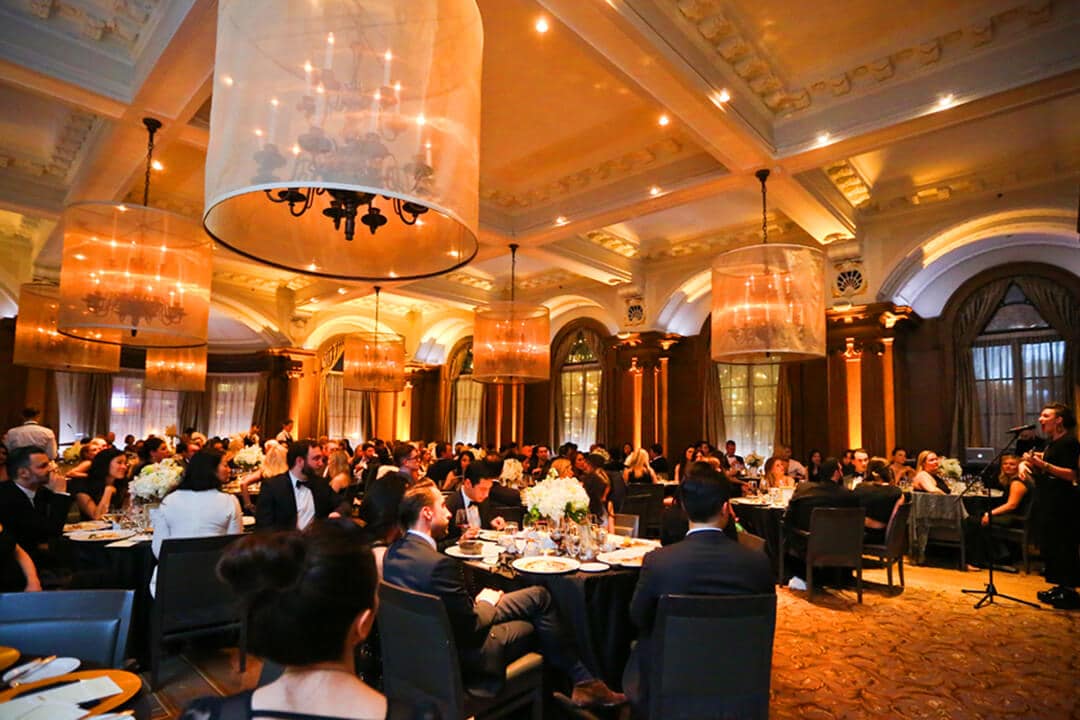
Music

The Art and Essence of Music: A Journey Through Sound and Soul

Music is an intrinsic part of human existence, weaving itself into the very fabric of our lives with a profound and timeless resonance. It is a language that transcends barriers—spoken not through words alone but through rhythm, melody, and harmony. Far more than entertainment, music is an art form that mirrors the complexity of the human spirit and the diversity of cultures around the globe.

The Universal Language of Humanity

From the earliest days of civilization, music has served as a vital form of expression. Whether communicated through the primal beats of tribal drums or the intricate compositions of a symphony orchestra, music conveys emotions that words often fail to capture. It is this universality that makes music so compelling: a melody can evoke joy, sorrow, nostalgia, or exhilaration irrespective of the listener’s background or native tongue.

The ability of music to connect disparate communities and generations stems from its emotional core. It bypasses intellectual barriers, tapping directly into our subconscious to create shared experiences. Consider how a single song can unite a crowd at a concert or bring comfort during moments of solitude. This capacity to evoke and share emotions is what elevates music beyond mere sound to a profound human experience.

The Evolution of Musical Expression

Music has continuously evolved alongside humanity, adapting to new tools, technologies, and cultural influences. Early musical traditions, often rooted in rituals and communal activities, laid the groundwork for the diverse array of genres we enjoy today. The classical compositions of the Western canon reveal a structured, almost mathematical approach to melody and harmony, emphasizing balance and form.

In contrast, the rise of jazz introduced improvisation and spontaneity, reflecting the dynamism of cultural exchange and innovation. The emergence of rock, hip-hop, electronic, and countless other styles throughout the 20th and 21st centuries illustrates music’s ongoing dialogue with societal shifts and technological advancements. Each genre offers a unique lens through which to understand the values, struggles, and aspirations of its time.

The Emotional and Psychological Power of Music

At its core, music resonates deeply because of its impact on our emotions and psyche. Neuroscientific research has revealed that listening to music activates areas of the brain responsible for pleasure, memory, and emotional processing. This explains why certain songs can elicit tears, inspire courage, or foster a sense of belonging.

Music’s therapeutic benefits are widely recognized. Music therapy is utilized to treat a range of conditions, from anxiety and depression to neurological disorders such as Alzheimer’s and Parkinson’s disease. Beyond clinical applications, many turn to music as a personal refuge—an emotional anchor amid life’s turbulence. It offers a language for feelings too complex for words, creating a private sanctuary or a collective catharsis.

The Cultural Tapestry of Music

Music is inseparable from culture; it is both a product and a reflection of the societies that nurture it. Each culture’s musical traditions embody its history, values, and worldview. The pentatonic scales of East Asian music, the complex rhythms of African drumming, the soulful chants of indigenous communities—all these forms represent unique musical dialects shaped by geography, religion, and social customs.

This cultural diversity enriches the global musical landscape, encouraging cross-pollination and hybrid genres. World music, fusion, and collaborations between artists from different backgrounds highlight the creative potential born from cultural exchange. At the same time, preserving traditional music remains vital for maintaining cultural heritage and identity in an era of globalization.

Music in the Digital Era: Opportunities and Challenges

The digital revolution has transformed the creation, distribution, and consumption of music in unprecedented ways. Streaming platforms have democratized access, allowing listeners worldwide to explore vast musical catalogs with ease. For artists, digital tools enable new forms of production and direct engagement with audiences, bypassing traditional industry gatekeepers.

However, this digital age also presents challenges. The sheer volume of available music can overwhelm listeners, sometimes diluting meaningful connections with individual artists. Moreover, debates about fair compensation in the streaming economy have spotlighted the difficulties musicians face in sustaining their craft financially. Navigating these complexities requires thoughtful innovation and a renewed appreciation for the artistry behind the music.

The Enduring Importance of Music

Why does music matter so much? The answer lies in its extraordinary ability to capture and express the human condition. It is a mirror reflecting our deepest hopes and fears, a bridge linking us to others, and a companion through life’s journey. Whether experienced live or through recordings, music invites us to feel, reflect, and connect.

The act of creating music—composing, performing, improvising—is equally significant. It channels imagination and skill into a tangible form that can influence, inspire, and heal. Music education cultivates discipline, creativity, and empathy, fostering a lifelong engagement with this vibrant art form.

Key Insights on Music’s Role and Influence

  • Music transcends language, connecting individuals across cultures and time.

  • Its evolution mirrors societal changes and technological progress.

  • Music has profound psychological effects, aiding emotional expression and healing.

  • Cultural diversity in music enriches global creativity and preserves heritage.

  • The digital landscape offers new opportunities but also presents challenges for artists and listeners.

  • Music remains a vital expression of humanity, essential to personal and collective identity.

In celebrating music, we honor an art form that enriches life beyond measure. Its melodies and rhythms are not just sounds but the echoes of our shared humanity, resonating through the ages with beauty, meaning, and grace.

Related Articles

Back to top button