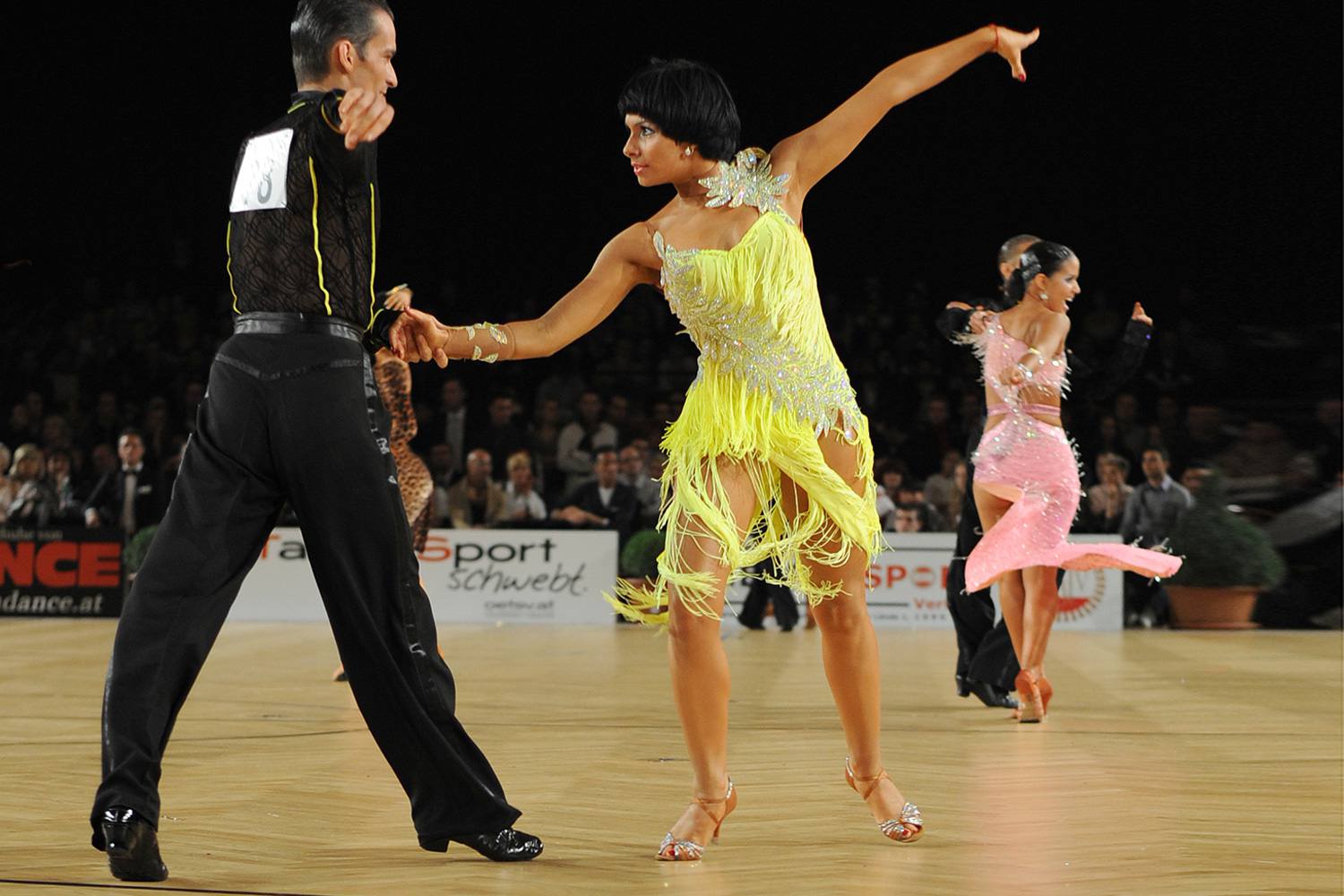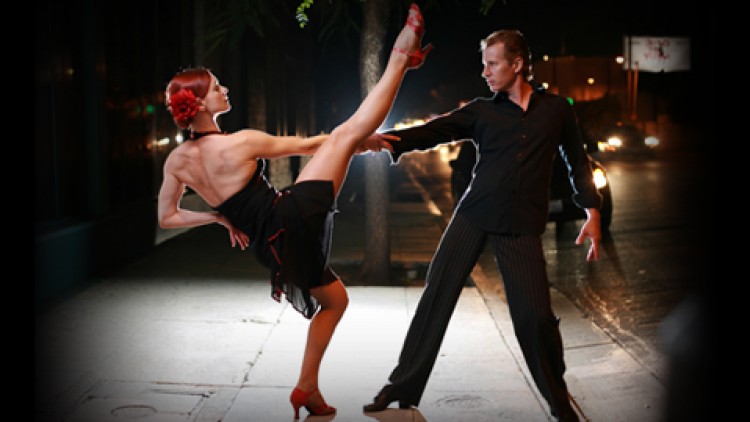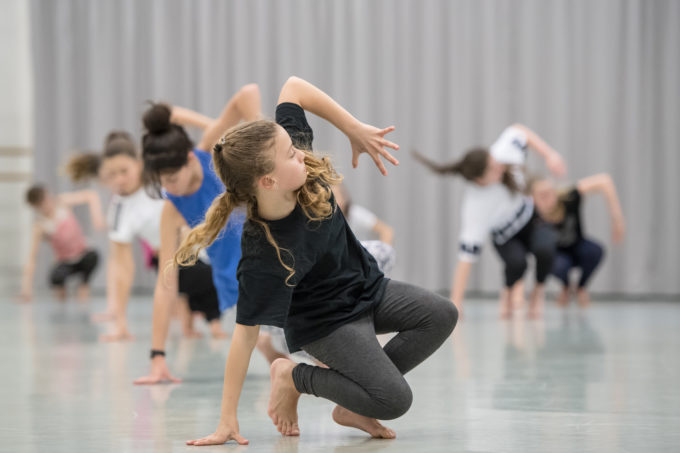

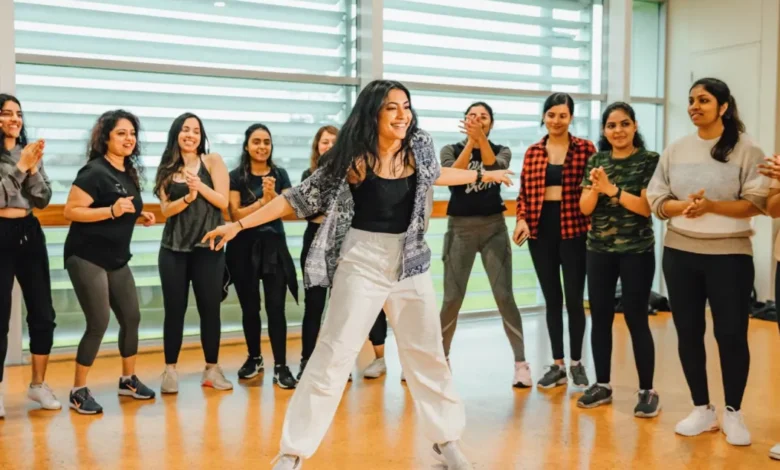
Introduction: Dance as a Universal Language
Across continents and cultures, dance emerges as a timeless, borderless form of expression. It transcends language, speaks directly to emotion, and has the power to unite, celebrate, heal, and transform. From ancient rituals to modern performances, dance is not merely a physical act—it is a dialogue between the soul and the body, a narrative told in motion. Whether on stage or in the streets, in ballrooms or village squares, dance offers a profound reminder of our innate desire to move, to feel, and to connect.
The Origins of Dance: An Ancient Story Still in Motion
Dance dates back to prehistoric times, embedded deeply in the rituals of early human societies. Initially, it served sacred and symbolic purposes—communicating with the divine, celebrating life events, or preparing for battle. Over time, it evolved alongside civilization itself, adopting new forms, techniques, and meanings.
-
Ritual and Religious Roots: Tribal dances were used to summon rain, honor deities, and mark rites of passage.
-
Theatrical Development: In cultures such as those of ancient Greece and India, dance was integral to theatrical performance and storytelling.
-
Social Expression: As societies became more structured, dance found its place in courts, festivals, and social gatherings.
Despite the evolution of style and context, dance’s emotional core has remained unchanged—it continues to reflect the rhythms of human life.
Styles and Genres: The Rich Tapestry of Global Dance
The diversity of dance styles across the globe is a testament to its adaptability and cultural relevance. Each form tells a different story, shaped by its history, geography, and people.
Classical Dance Forms
-
Ballet: Originating in the courts of Renaissance Italy and France, ballet is known for its grace, technique, and discipline. It emphasizes form, storytelling, and emotional nuance.
-
Kathak, Bharatanatyam, and Odissi: These Indian classical styles integrate rhythm, gesture, and mythology, often accompanied by traditional music and elaborate costumes.
Folk and Cultural Dances
-
Flamenco: Rooted in the Andalusian Romani culture, flamenco combines singing, guitar, and dance into an emotionally charged performance.
-
Irish Step Dance: Characterized by rapid footwork and a rigid upper body, this style is both traditional and vibrant.
-
African Tribal Dances: Pulsating with energy, these dances are integral to community rituals and celebrations.
Contemporary and Urban Styles
-
Hip-Hop: Born in the streets of New York City, hip-hop reflects urban culture, creativity, and resistance. It thrives on individuality and improvisation.
-
Contemporary Dance: Blending elements of ballet, jazz, and modern techniques, contemporary dance explores emotion, fluidity, and abstraction.
-
K-Pop Dance: With its precise choreography and global appeal, K-pop dance has become a phenomenon among youth worldwide.
Each of these styles contributes to a global mosaic, where movement becomes both a personal and communal celebration.
The Role of Dance in Human Life
Dance is more than entertainment—it’s a vital component of human well-being and cultural continuity.
Emotional Expression
Dance allows individuals to process and express complex emotions. Whether it’s the joyous release of a salsa number or the mournful sweep of a modern solo, dance becomes a vessel for catharsis.
Physical and Mental Health
-
Improved Fitness: Regular dancing boosts cardiovascular health, flexibility, and muscle tone.
-
Mental Clarity: The focus required in dance routines promotes mindfulness and cognitive strength.
-
Stress Relief: Movement combined with music can dramatically reduce anxiety and lift the spirit.
Social Connection
Dance fosters community. From group performances to informal gatherings, it creates shared experiences that transcend age, background, and language.
Dance in the Modern World: Innovation and Integration
The digital age has brought new visibility and creativity to the world of dance.
-
Viral Dance Trends: Social media platforms like TikTok and Instagram have democratized dance, allowing people worldwide to share, learn, and create.
-
Dance Therapy: Recognized as a legitimate therapeutic practice, dance is used in clinical settings to treat trauma, developmental disorders, and emotional challenges.
-
Technology and Performance: Interactive lighting, motion capture, and VR are expanding the horizons of live dance experiences.
Dance today is as much about innovation as it is about tradition, proving its remarkable resilience and relevance.
The Philosophy of Dance: More Than Movement
At its core, dance embodies fundamental truths about the human condition.
-
Presence: Dance insists on being in the moment. Unlike recorded media, it exists in real-time, requiring attention and engagement.
-
Discipline and Freedom: It balances technique with intuition, form with improvisation, teaching us the value of structure and spontaneity.
-
Art and Identity: Dance allows individuals to assert identity, explore their narrative, and engage with cultural heritage in a living, breathing way.
This interplay of physicality and philosophy is what elevates dance from mere activity to a profound art form.
Learning Dance: A Journey of Growth
Engaging in dance is not only accessible but deeply rewarding. Regardless of age or background, anyone can benefit from taking that first step onto the dance floor.
Tips for Beginners
-
Start Simple: Begin with a style that resonates with you, be it salsa, hip-hop, or contemporary.
-
Focus on Feel, Not Perfection: Dance is as much about joy as it is about precision.
-
Take Classes or Join a Group: Structured learning enhances technique and builds confidence.
-
Be Patient with Progress: Like any skill, dance improves with time and practice.
The learning process itself becomes a transformative experience, improving posture, rhythm, and self-expression.
Conclusion: Dance as a Celebration of Life
To dance is to embrace life with openness, vulnerability, and joy. It connects the physical to the emotional, the individual to the collective, the ancient to the contemporary. Whether performed on a grand stage or danced barefoot in a quiet room, each movement carries meaning. In dance, we find a language that requires no translation, only feeling. It is one of the few art forms that uses the human body as both instrument and canvas, making it deeply personal and universally understood.
Dance doesn’t ask for perfection—it asks for presence. And in showing up, moving freely, and allowing rhythm to guide us, we rediscover something essential: the beauty of being alive.