
Midnight Pulse: Exploring the Vibrant World of Nightclubs

Introduction: More Than Just a Night Out
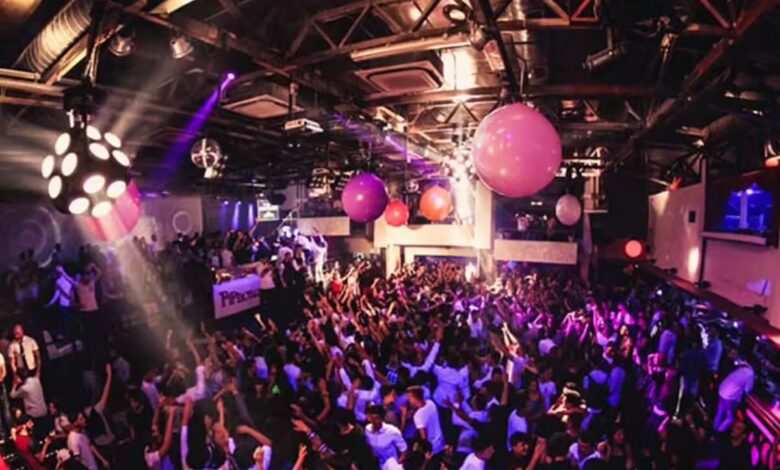
Nightclubs have long been emblematic of urban nightlife—spaces where music, dance, and culture converge to create unforgettable experiences. But beyond the flashing lights and pulsating bass, nightclubs serve as social sanctuaries, artistic hubs, and reflections of contemporary trends. They are more than just late-night haunts; they are vibrant microcosms of expression, style, and energy. When explored through a refined lens, the nightclub emerges not merely as a party venue, but as a modern cultural phenomenon.
The Evolution of the Nightclub Experience
From the jazz dens of the 1920s to the neon-lit discotheques of the 1980s and the EDM-driven mega clubs of today, nightclubs have evolved in form, function, and aesthetic. Each era has imprinted its signature on club culture, shaping how people gather, move, and celebrate.
-
1920s–1940s: Speakeasies and underground clubs flourished during Prohibition, offering hidden escapes filled with live music and secret indulgence.
-
1960s–1970s: The rise of discotheques brought mirrored ceilings, funky rhythms, and a democratic dance floor where individuality reigned supreme.
-
1990s–Present: Technology, lighting, and global music trends have transformed clubs into immersive experiences where sound design and visual effects push boundaries.
Today’s nightclub is not bound by tradition. It’s a hybrid of music venue, art installation, and social experiment—a place where the night is both canvas and stage.
Atmosphere: The Alchemy of Senses
One of the most alluring aspects of nightclubs is their ability to craft a unique sensory environment. A successful nightclub blends sight, sound, and sensation to form an atmosphere that feels both surreal and intimate.
-
Lighting: Dynamic lighting—from strobes to LED walls—guides the emotional arc of the evening, creating drama and enhancing rhythm.
-
Soundscapes: Bass-heavy beats, crisp acoustics, and seamless transitions between genres keep the dance floor alive and the energy high.
-
Design: Architectural elements like VIP lounges, raised platforms, and interactive art contribute to the spatial storytelling of a club.
When these elements are orchestrated with intention, guests are transported—not just entertained.
The Music: Heartbeat of the Night
Music is the lifeblood of every nightclub. Whether it’s house, techno, hip-hop, or afrobeat, the genre dictates the crowd, the mood, and the pace. A skilled DJ doesn’t merely play songs—they curate a sonic journey that rises, dips, and erupts at precisely the right moments.
-
Live sets: Top-tier clubs often feature renowned DJs or live performers whose presence draws a loyal audience.
-
Genre-based identity: Many clubs specialize in particular sounds, offering purists a dedicated space to explore their musical passions.
-
Interactive energy: Music at a nightclub is not passive; it invites movement, interaction, and collective euphoria.
The connection between music and movement in a nightclub is primal and powerful, often blurring the lines between performer and audience.
The People: Characters of the Night
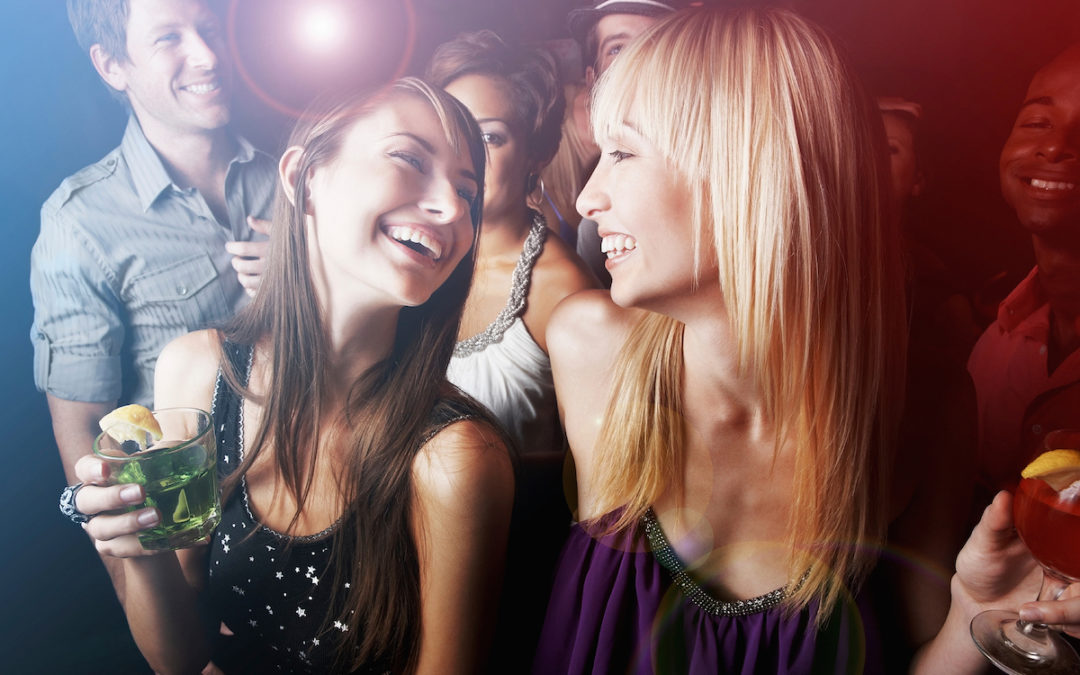
No nightclub is complete without its people. The crowd is the soul of the space—diverse, dynamic, and often unpredictable. From the fashion-forward elite to the dancefloor devotees, each individual brings their own flair to the collective experience.
-
Style statements: Fashion in nightclubs is a performance in itself. High heels, leather jackets, sequins, and avant-garde silhouettes all find their place under the club lights.
-
Social chemistry: Clubs foster a curious blend of anonymity and intimacy. A stranger becomes a dance partner, a glance turns into a memory.
-
Inclusivity: The best clubs celebrate diversity, offering a judgment-free space where all identities are welcomed and respected.
The spontaneous human connections formed in clubs often transcend the night, evolving into friendships, creative collaborations, or fleeting but cherished moments.
The Role of Exclusivity and Access
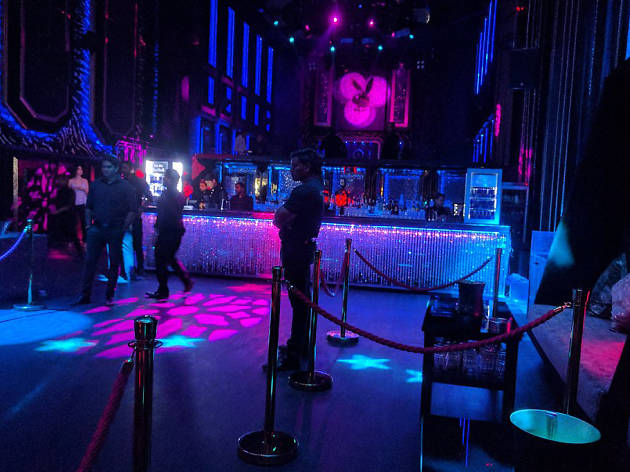
Many high-end nightclubs thrive on the concept of exclusivity. Velvet ropes, guest lists, and VIP tables cultivate a sense of allure. While this may seem superficial, it also enhances the mystique and narrative of the club itself.
-
Curated crowds: Selective entry ensures that the club maintains a particular vibe or brand identity.
-
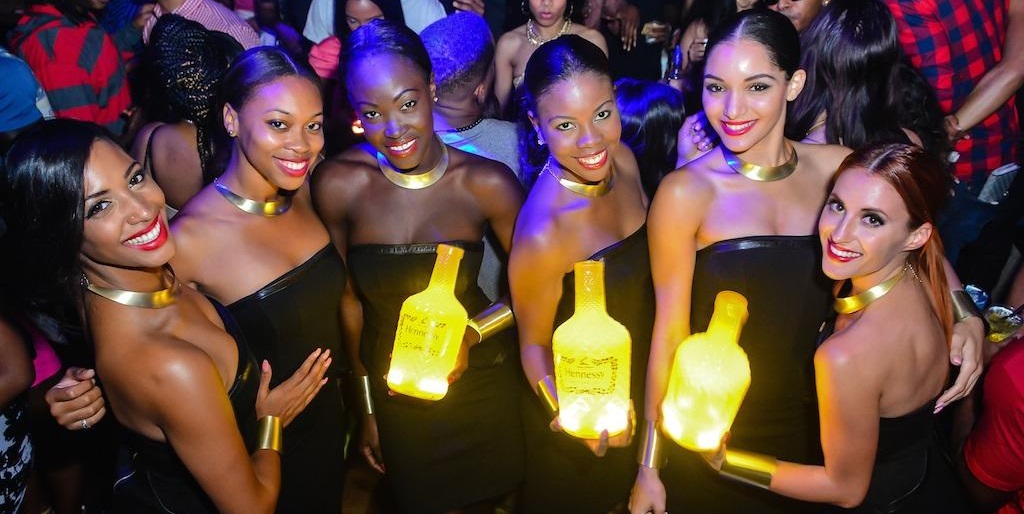
Luxury experience: Bottle service, private lounges, and concierge attention add a layer of sophistication.
-
Word of mouth: The hardest-to-enter clubs often generate the most buzz, making the experience feel more precious and memorable.
Exclusivity, when paired with excellent service and thoughtful design, adds to the overall theater of the nightclub scene.
Beyond the Hype: Social and Cultural Significance
While often dismissed as frivolous or excessive, nightclubs also hold deeper cultural value. They’ve historically served as safe spaces for marginalized communities and platforms for emerging art forms.
-
LGBTQ+ history: Clubs have long been sanctuaries for queer expression and activism, especially during times of broader societal rejection.
-
Music movements: Genres like house and techno were born in underground clubs before going global.
-
Cultural expression: From Afro-Caribbean dance floors in London to reggaeton-fueled clubs in Miami, nightclubs help preserve and spread cultural heritage.
In this light, the nightclub becomes more than a leisure space—it becomes a stage for cultural evolution and identity.
Responsible Revelry: The Importance of Safety and Ethics
As nightclubs push the boundaries of entertainment, it’s essential to balance pleasure with responsibility. Club operators and patrons alike play roles in ensuring a safe and respectful environment.
-
Consent culture: Promoting boundaries and mutual respect creates safer experiences for all.
-
Substance safety: Clear policies and available assistance help prevent incidents related to alcohol or other substances.
-
Staff training: Security personnel, bartenders, and managers should be trained to identify and de-escalate potential risks.
Responsible nightlife ensures that fun doesn’t come at the expense of well-being.
Conclusion: The Nightclub as a Modern Sanctuary
Nightclubs are more than flashing lights and catchy beats. They are living theaters of emotion, expression, and energy—spaces where daily personas are shed and new facets of identity are explored. Whether you view them as cultural landmarks, artistic playgrounds, or simply places to dance your stress away, the magic of a great nightclub is undeniable.
In a world increasingly defined by screens and isolation, nightclubs remain sacred spaces of physical connection. The shared energy of a dance floor, the synchronized joy of a crowd, and the silent understanding between strangers are all rare and beautiful. To step into a nightclub is to step into a world where time bends, music rules, and every heartbeat feels amplified under the glow of midnight.